
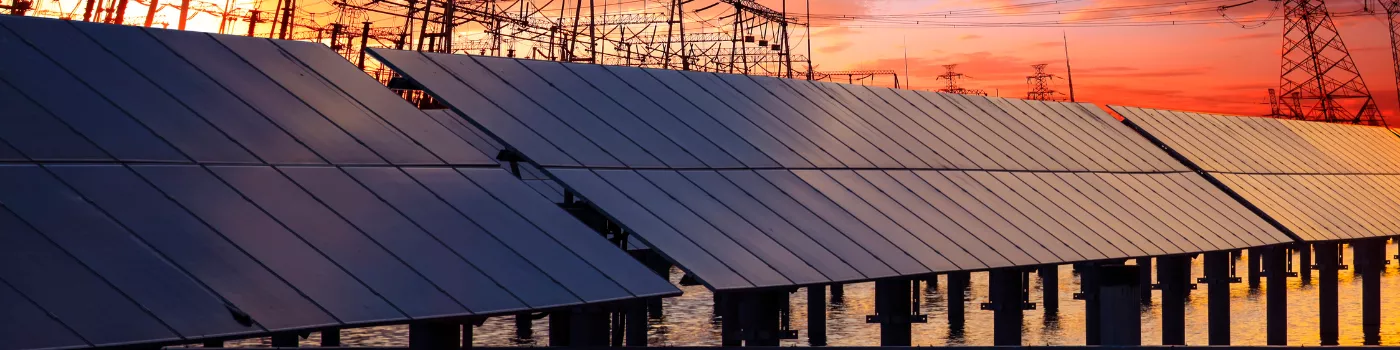

India’s electricity costs climb every single year. Many homeowners feel heavy financial strain during the peak summer months. Using air conditioners for long hours drives up monthly bills to new heights.
Switching to solar energy offers a smart way to gain energy independence. By generating your own power at home, you rely less on grid electricity. This shift helps protect your family budget from unpredictable annual rate hikes.
New technology and helpful government subsidies make the change easy for everyone. This modern approach transforms a simple rooftop into a powerful cost-saving tool. Our guide covers a clear process to help you achieve lasting energy benefits.
Renewable energy sources now provide more stability than traditional utility providers. Investing in your own power system ensures that your costs stay low for decades. This path leads to a cleaner future and a much stronger financial position.
Key Takeaways
- Electricity costs in India rise annually, creating a burden on households.
- Air conditioning during the hot summer creates the highest monthly expenses.
- Solar energy systems allow families to generate their own clean power.
- Homeowners gain protection against future price hikes from the utility grid.
- Government subsidies in 2025 make the transition more affordable than ever.
- The setup pays for itself through consistent and significant monthly savings.
Understanding India’s Summer Electricity Crisis
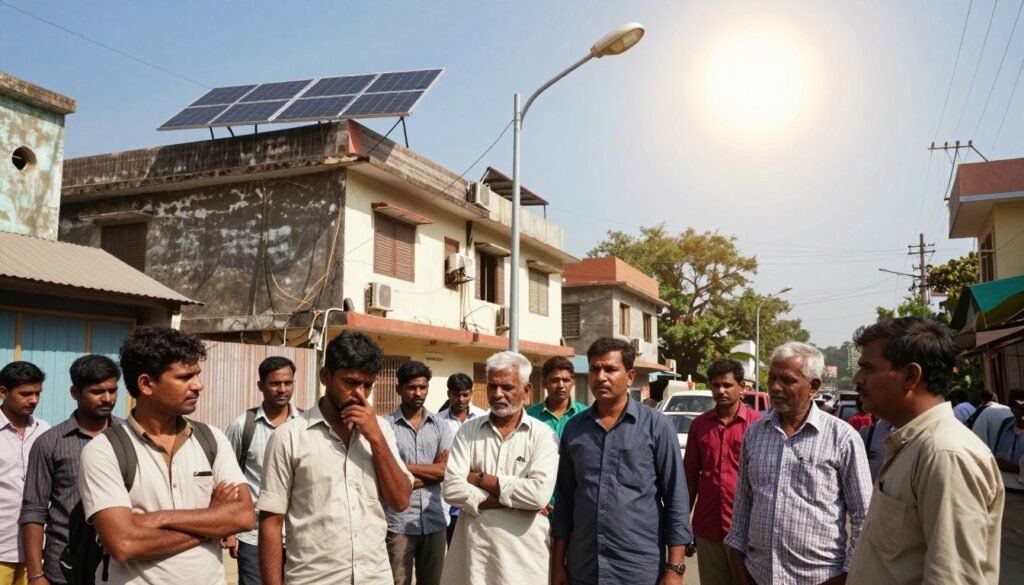
The onset of the hot season in India often brings a significant surge in monthly energy expenses for homeowners. This crisis stems from deep structural issues like low generation capacity and high transmission losses. Every single year, the strain on distribution networks becomes more evident as temperatures rise.
Across the globe, electricity prices rise by about 2% to 4.5% annually. In India, these costs climb even faster because of fuel price hikes and the need for better infrastructure. These factors create a cycle of financial stress for families who rely on traditional energy sources.
Rising Electricity Tariffs Across Indian States
Many states revise their tariffs annually to manage the growing demand for power. These adjustments often leave families with much higher bills than they planned for in their monthly budgets. Higher fuel costs and distribution upgrades usually drive these price increases.
| State | Average Tariff Increase | Primary Cause |
|---|---|---|
| Karnataka | 5-8% | Infrastructure Upgrades |
| Maharashtra | 4-7% | Fuel Surcharge Adjustments |
| Delhi | 3-5% | Demand-Supply Imbalance |
| Tamil Nadu | 6% | Transmission Costs |
State tariffs continue to shift as the energy landscape changes. Homeowners often feel helpless as they watch their monthly expenses climb without any way to stop the trend.
Peak Summer Demand and AC Usage Impact
When the summer heat hits, air conditioning usage spikes across the country. This puts a massive strain on the national grid as everyone tries to stay cool at the same time.
During this peak period, household electricity consumption can double or even triple between April and June. The financial impact of this usage is significant for most middle-class families. Consider these common trends during the hottest months:
- Air conditioners often run for 12 to 18 hours a day.
- Utilities may implement higher pricing during peak demand hours.
- Older distribution transformers frequently fail due to the heavy load.
Increased usage directly leads to higher power bills. Many households find that their energy spending during these three months equals the total for the rest of the season.
The Cost of Grid Dependency During Summer Months
Relying entirely on the utility company makes homeowners financially vulnerable to sudden price changes. You have no control over how the state manages electricity distribution or pricing models. This dependency forces you to pay whatever rate the board decides every summer.
Adopting solar technology is becoming a financial necessity rather than just a green choice. It provides a way to escape the cycle of rising electricity bills. Investing in your own energy source ensures your costs remain predictable for decades to come.
How Solar Beats Rising Electricity Bill
Homeowners can effectively neutralize rising energy costs by generating their own clean power right on their rooftops. This shift allows you to take control of your monthly utility expenses. By installing solar panels, you can significantly lower your dependence on the local grid.
Direct Energy Generation Reduces Grid Purchases
Generating electricity onsite means you buy less from the utility provider. Every unit of energy produced by your system results in immediate monthly savings. This process reduces the number of units billed at higher slabs.
How Photovoltaic Technology Converts Sunlight to Electricity
Solar energy systems use silicon-based cells to capture photons from sunlight. This technology converts light directly into DC power through the photovoltaic effect. A complete system includes the following essential components:
- High-efficiency photovoltaic modules
- Power inverters for DC to AC conversion
- Robust mounting structures and monitoring tools
Since sunlight is a free fuel source, your operational prices remain incredibly low. There are no moving parts, so maintenance is minimal and silent.
Locking in Energy Costs for 25 Years
A residential solar setup typically lasts for 25 years. During this time, the levelized cost of energy stays between $0.06 and $0.07 per kilowatt-hour. This is far cheaper than any commercial utility rate.
| Feature | Grid Electricity | Rooftop Solar |
|---|---|---|
| Fuel Cost | Variable and High | Free Sunlight |
| Price Stability | Unpredictable | Fixed for Decades |
| Maintenance | Included in Bills | Very Low |
Protection Against Annual Tariff Hikes
Unlike traditional tariffs that increase every year, solar expenses are fixed upfront. This protects your household from unpredictable electricity price hikes over the long term. Each unit you generate is a unit you never have to buy at escalating rates.
Step 1: Calculate Your Home’s Energy Consumption
Sizing your solar system starts with a detailed audit of your historical electricity bills. You need a solid baseline to ensure your new system meets your actual needs without being too small or excessively large.
Gather 12 Months of Electricity Bills
Collect your records from the past full year to understand your annual cycle. This duration is crucial because it accounts for seasonal changes in electricity consumption.
You will see how your costs fluctuate from the mild winter months to the intense heat. Having 12 months of data prevents you from underestimating your home energy needs.
Identify Your Peak Summer Usage Patterns
Focus closely on your bill from April through June. During this peak period, air conditioning often doubles or triples your typical power load.
Knowing these spikes helps you size a system that handles the most demanding times of the year. This ensures your summer savings remain high when you need them most.
Calculate Average Daily Energy Consumption in kWh
Find the total units consumed over the 12-month period on your electricity bills. Divide this total by 365 to find your average daily energy consumption.
This figure represents the amount of electricity your solar setup must generate each day. It acts as the primary guide for choosing the correct kilowatt capacity.
Factor in Future Appliance Additions
Consider if your household plans to buy a new AC or an electric vehicle soon. Adding these potential loads now prevents your system from becoming too small in a few years.
It is better to have a bit of extra capacity for future use than to fall short later. This proactive planning protects your energy investment for the next two decades.
| Season Period | Usage Range (Units/kWh) | Main Driver |
|---|---|---|
| Peak Summer (April-June) | 600 – 1000 | Air Conditioning |
| Monsoon (July-Sept) | 400 – 600 | Humidity Control |
| Winter (Nov-Feb) | 200 – 400 | Geysers & Heaters |
Step 2: Determine the Right Solar System Size
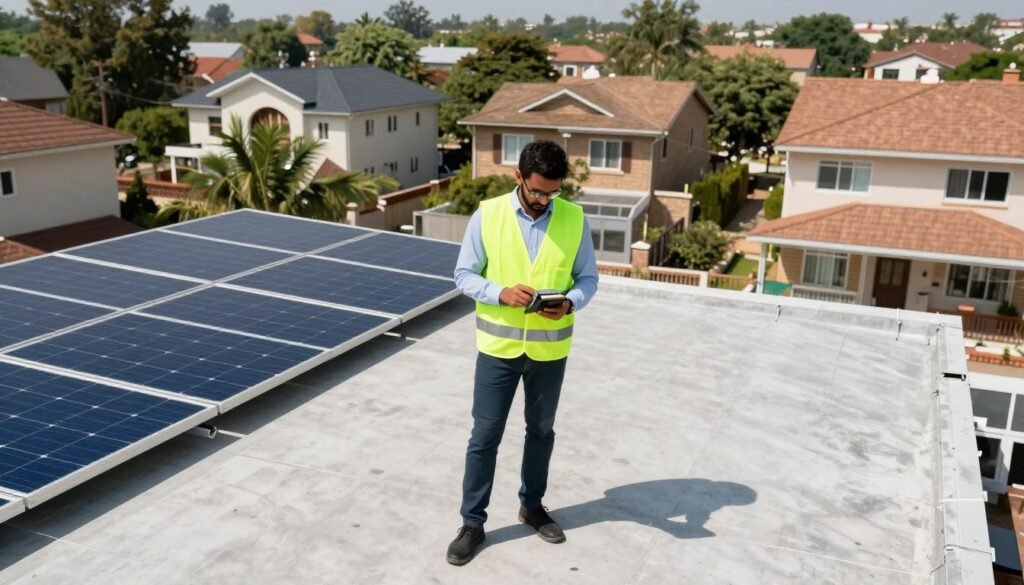
Determining the perfect dimensions for your installation ensures you maximize every ray of Indian sunshine. Selecting the correct solar system requires matching your home’s energy needs with the right capacity. This precision prevents you from paying for more hardware than your property actually requires.
Match System Size to Your Monthly Electricity Bill
Most homeowners in India find that their usage changes with the seasons. Your average monthly electricity bill is the most reliable tool for sizing. It reflects your actual habits and appliance loads over time.
2 kW System: For ₹2,000-4,000 Monthly Bills
A 2 kW setup is ideal for small households with basic needs. It provides enough electricity to cover lighting, fans, and small electronics. You can expect a significant reduction in your monthly costs with this compact system.
3-4 kW System: For ₹4,000-6,000 Monthly Bills
This capacity suits families with moderate air conditioning usage. It balances the load of standard household appliances effectively. Many middle-income households choose this size to stabilize their long-term bills.
5-6 kW System: For ₹6,000+ Monthly Bills
Larger homes with multiple AC units often require a 5-6 kW system. This provides enough power to offset high consumption during peak summer heat. It ensures that even heavy users see a major drop in their grid dependency.
Assess Your Available Rooftop Space
Your roof must have enough room for the photovoltaic panels to work. Each kilowatt of capacity needs roughly 100 square feet of shadow-free area. Ensure your rooftop solar setup faces the sun without obstruction from nearby trees or buildings.
Schedule a Professional Site Evaluation
A professional site evaluation is a vital part of a successful installation. Experts will check the tilt angle and structural strength of your home. For a typical three-bedroom house, the average cost for a complete solar installation service is approximately ₹7,860.
Step 3: Register for Net Metering to Maximize Returns
The net metering registration process in India serves as the bridge between simply generating solar power and truly profiting from it. This mechanism allows you to feed surplus energy back into the local grid. In return, you earn credits that lower your future electricity bills significantly.
Understand How Net Metering Credits Work
A bi-directional meter tracks the flow of watts in two directions. This net metering arrangement records how much excess juice you give back to the utility. These credits improve the financial benefits of your setup by valuing every watt of electricity produced.
Check Your State’s Net Metering Policy
Regulations for net metering often vary across different Indian states. Some regions offer annual credit rollovers while others reset them monthly. Visit your State Electricity Regulatory Commission website to understand the specific rules for your system.
Prepare Required Documentation for Application
Gather your latest bill, property ownership proof, and technical energy specifications. You will also need certificates from your installer to complete the net metering request. Keeping these documents ready prevents common delays during the verification phase.
Submit Application to Your Electricity Distribution Company
Apply directly to your local DISCOM to begin the formal approval process. They will review your electrical load and total power capacity for safety. Most approvals take a few weeks if your paperwork is accurate and complete.
Install Bi-Directional Meter After Approval
Once the company approves your request, they will replace your standard meter. This new device enables the grid to recognize your solar power contribution. Your journey toward total energy independence officially begins once this installation is final.
Step 4: Apply for Government Subsidies
Government financial support makes transitioning to renewable energy much more affordable for Indian families today. These incentives significantly lower the initial costs of adopting clean power.
By leveraging federal and state grants, you can ensure your transition to green energy is a smart financial move. This support makes 2025 an ideal time to start your journey.
Claim Up to ₹78,000 Under Surya Ghar Muft Bijli Yojana
This flagship program provides a tiered subsidy structure to help homeowners afford residential solar technology. You can receive a maximum benefit of ₹78,000 for a 3kW system capacity.
This substantial cash back reduces your total upfront investment. It allows you to enjoy the benefits of clean energy without a heavy financial burden.
Explore PM-KUSUM Yojana Benefits
The PM-KUSUM initiative specifically supports solar systems in rural areas and agricultural settings. It offers three distinct components to help farmers generate their own electricity.
This program is a fantastic way for rural residents to save money. It also improves irrigation efficiency and supports local energy independence.
Check State-Specific Subsidy Programs
Many regions provide additional incentives on top of central government schemes. States like Gujarat, Maharashtra, and Rajasthan offer particularly attractive local programs for residents.
These regional savings make this the best year to go green in India. Always verify your specific state’s portal for the latest bonus offers.
Complete Online Application Process
You must start your installation by registering on the national rooftop solar portal. Carefully upload required documents like your recent electricity bills and identification.
Double-checking your details helps you avoid common errors that cause application delays. A smooth submission ensures faster approval from the distribution company.
Track Your Subsidy Disbursement
Most homeowners can expect funds to arrive shortly after the system is verified and connected. Monitoring your application status through official portals ensures you stay informed during every stage.
Government support can reduce your effective payback period from six years to just three or four years. These lower costs make your transition to renewable energy highly profitable.
Step 5: Install Your Rooftop Solar System Correctly
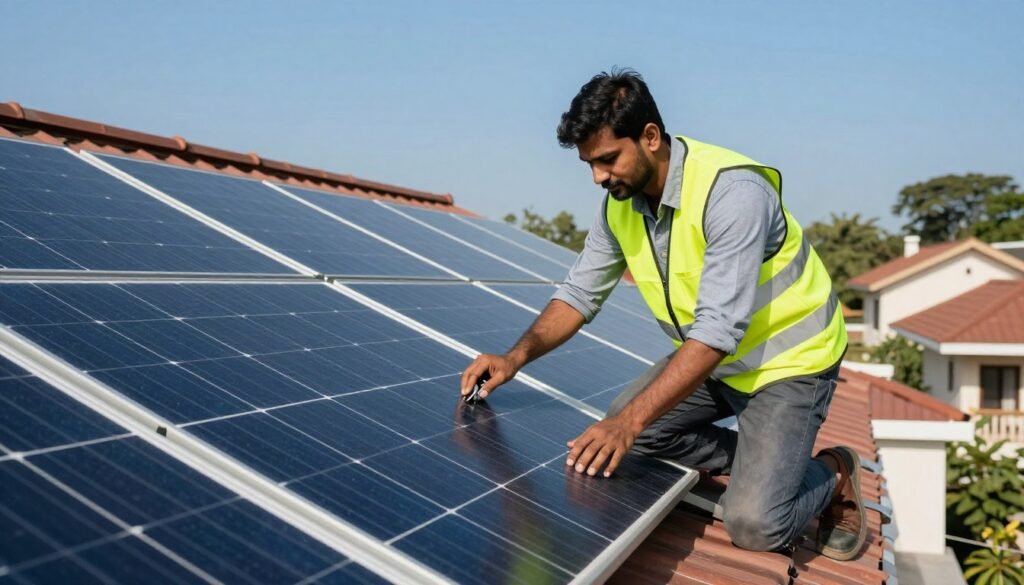
Executing the installation of your rooftop solar panels correctly is the bridge between a plan and real-world savings. Quality workmanship ensures your system operates at peak efficiency for its 25-year lifespan.
Select High-Efficiency Solar Panels and Inverters
Homeowners should prioritize high-efficiency solar panels with strong temperature coefficients. These components maintain high output even during intense Indian summers.
Quality inverters are also vital for performance. Choosing between string inverters or microinverters depends on your specific roof shading and budget.
Ensure Proper Panel Angle and Orientation
In India, panels should face south to capture maximum sunlight throughout the year. The tilt angle must align with your local latitude to optimize energy generation.
Proper spacing between rows prevents shading issues. Even small shadows can significantly reduce your total energy output over the year.
Complete Electrical and Safety Inspections
Safety is paramount during any solar panel installation. Technicians must verify all wiring, grounding, and surge protection devices.
These inspections confirm the system complies with local electrical codes. This prevents fire hazards and protects your home from electrical surges.
Connect to Grid After Distribution Company Approval
You must wait for your local distribution company to approve the connection. They will verify that your setup meets all technical safety standards.
This step is mandatory before you can legally export power back to the grid. It ensures the bi-directional meter functions correctly for billing.
Test System Performance Before Final Handover
Final testing happens just before you take full control of the solar panels. Your installer will check if the actual output matches the predicted performance.
At this time, you should also set up your mobile monitoring app. This allows you to track daily savings and system health in real-time.
Step 6: Optimize Daily Usage for Maximum Savings
Smart energy management is the secret to transforming a standard solar installation into a high-performance savings engine. Making small adjustments to your daily routine ensures your solar power system works at its full potential.
Run High-Power Appliances During Peak Sunlight Hours
Shift your heavy household loads to match sunlight availability. This is the peak time when solar energy production is at its highest point. Try to run these appliances between 10 AM and 3 PM:
- Washing machines and dryers
- Electric water heaters (geysers)
- Dishwashers
- Electric vehicle chargers
Consider Adding Battery Storage for Night Usage
Batteries store excess energy generated during the day for later. This stored power runs your home at night, cutting your dependence on the local grid. It ensures you use clean electricity around the clock even after the sun sets.
Monitor System Performance Through Mobile Apps
Modern solar kits come with helpful mobile monitoring tools. These apps show how much power every panel generates in real-time. Checking the data regularly helps you understand your household use patterns and catch issues early.
Schedule Quarterly Cleaning and Maintenance
Dust and smog can reduce system efficiency significantly. Perform regular maintenance to keep the glass surface clean. A quarterly wash ensures your solar power setup continues to provide maximum energy year-round.
| Activity | Frequency | Benefit |
|---|---|---|
| Panel Cleaning | Quarterly | Removes dust and bird droppings |
| Inverter Check | Monthly | Ensures steady voltage flow |
| Cable Inspection | Every 6 Months | Prevents loose connections |
Track Monthly Savings Against Previous Bills
Keep your old electricity bills to compare with new ones from the same month. This helps you track total financial gains. It also verifies that your system meets the performance targets you expected.
Real-World Results: Solar Savings Breakdown
Actual data shows how solar panels change home finances in India. Looking at real numbers helps you see the true value of this technology. Most families find that the switch provides immediate financial relief.
Monthly Bill Comparison: Before and After Solar
Many families see their electricity bills plummet immediately after installation. A typical household that previously paid high rates can drastically lower the monthly cost. The following data compares typical expenses for an Indian home.
| Usage Period | Without Solar Bill | With Solar Bill | Total Reduction |
|---|---|---|---|
| Standard Month | ₹4,500 | ₹1,500 | 66% |
| High Usage Month | ₹6,200 | ₹1,800 | 71% |
| Annual Average | ₹5,200 | ₹1,650 | 68% |
Summer Peak Savings of 60-70%
During the hottest months, energy consumption usually spikes due to constant air conditioning. However, solar generation also reaches its highest point during this time because of intense sunlight. This synergy allows homeowners to reduce electricity costs by 60-70% during the peak summer period.
The savings generated during these months provide the most significant relief to the family budget. You can redirect these bills toward other important family goals or investments. Most users report that their solar system works best when the grid is most expensive.
Expected Payback Period of 4-6 Years
Homeowners recover the initial investment in a rooftop system very quickly in India. Thanks to government subsidies and net metering, most owners see a full payback within 4-6 years. After this point, the savings translate into pure profit for the homeowner.
25-Year Lifetime Savings Projection
Once the system pays for itself, you enjoy essentially free electricity for the rest of its lifespan. Over these decades, a typical home can accumulate savings worth several lakhs of rupees. This long-term financial security protects you from future tariff hikes and rising energy prices.
Carbon Footprint Reduction Benefits
Beyond the lower electricity bill, the environmental savings are equally impressive. Each kilowatt of capacity prevents about 1.5 tons of CO2 emissions every year by producing clean energy. This choice helps the planet while also securing your financial future.
Choosing the Right Solar Partner for Your Installation
Homeowners must prioritize finding a reputable solar provider to guarantee lasting performance and peace of mind. Partnering with professional installers ensures that your rooftop solar setup delivers maximum benefits throughout its lifespan.
Importance of Personalized Energy Assessment
Experts evaluate your home’s unique consumption patterns and roof conditions to ensure efficiency. This tailored approach creates an optimized system rather than a generic package. A customized installation maximizes your solar energy yield by accounting for local shading and orientation.
Quality of PV Modules and Warranty Coverage
High-efficiency solar panels are essential for long-term reliability in varying climates. Premium panels offer better temperature coefficients and slower degradation rates. Ensure your residential solar provider offers 25-year performance warranties backed by a financially stable company.
Post-Installation Support and Monitoring Services
Reliable energy production requires consistent oversight after the initial setup. Quality partners provide mobile app monitoring and proactive maintenance alerts. This system support ensures your rooftop solar setup functions perfectly, while high-quality solar panels continue saving you money for decades.
Conclusion
Embracing the sun allows you to reclaim control over your monthly household expenses. As electricity prices rise and tariffs increase, homeowners have a unique advantage to reduce electricity usage from the grid. By following our roadmap, you can transform your home into a source of renewable energy.
Solar energy adoption in India is now easier with generous subsidies and lower hardware costs. This investment in solar technology pays for itself quickly, providing low-cost electricity for decades.
Beyond the financial benefits, choosing solar power reduces your reliance on fossil fuels. Start your journey today to lock in long-term energy savings and enjoy the independence of clean energy.
About Skyberg Infra
Skyberg Infra provides reliable solar energy solutions designed to help homes, businesses, and industries reduce rising electricity costs through efficient rooftop solar power systems. Our expert team focuses on delivering high-quality solar installation, sustainable energy solutions, and long-term savings for customers. We proudly serve customers across Pune, Pimpri-Chinchwad, Hinjewadi, Wakad, Baner, Ravet, Nigdi, Chinchwad, Pimple Saudagar, and nearby areas, helping them switch to clean, renewable energy and reduce their electricity bills with advanced solar technology.
FAQ
1. How does solar energy reduce electricity bills?
Solar panels generate electricity from sunlight, which powers your home or business directly. This reduces the number of units you need to purchase from the electricity grid, lowering your monthly electricity bill significantly.
2. How much electricity bill can solar panels save?
A well-designed rooftop solar system can reduce electricity bills by 50% to 90%, depending on your energy consumption and system capacity.
3. Is solar energy a good investment for homes and businesses?
Yes, solar power is considered a long-term investment. Most solar systems recover their installation cost within 5–7 years, and then generate free electricity for more than 20 years.
4. Do solar panels work during cloudy days?
Yes, solar panels still generate electricity during cloudy weather, although production may be lower. Modern solar systems are designed to produce power even in low sunlight conditions.
5. Do you provide solar installation services in nearby areas?
Yes, Skyberg Infra provides solar installation and energy solutions in several nearby locations including Pune, Pimpri-Chinchwad, Hinjewadi, Wakad, Baner, Ravet, Nigdi, Chinchwad, Pimple Saudagar, and surrounding areas.
 Previous Post
 Next Post