


Choosing solar energy is a smart investment for homeowners looking to reduce electricity bills through Net Metering in Pune. By understanding the MSEDCL net metering process, homeowners can efficiently manage electricity usage and maximize long-term savings.
This complete guide on Net Metering in Pune explains the official approval process, technical requirements, and benefits of Solar net metering Pune systems for residential and commercial properties.
Key Takeaways
- Learn the essential steps to register your solar system with the state utility.
- Discover how to significantly reduce your monthly electricity expenses.
- Understand the regulatory requirements for a smooth installation process.
- Gain insights into the long-term financial advantages of renewable energy.
- Ensure your home setup meets all official safety and technical standards.
Understanding Net Metering in Pune and Solar Benefits
Learning how your home works with the MSEDCL grid is key to energy freedom. Many in Pune see solar energy as a wise financial choice, not just an eco-friendly one. With a grid-tied system, you can control your energy use and help make the city greener.
How Grid-Tied Solar Systems Work
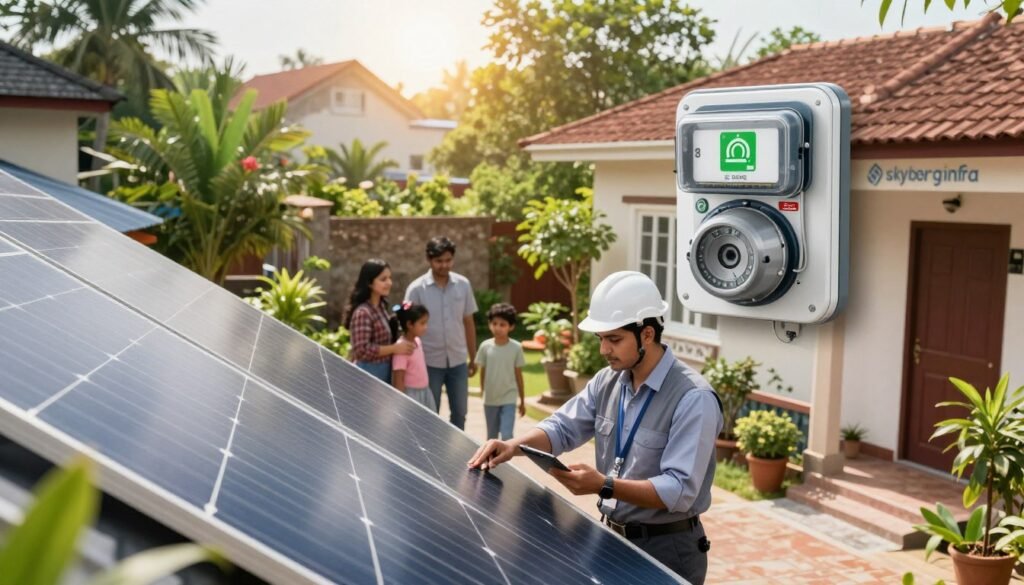
A grid-tied system links your solar panels to the local utility network. Your panels make electricity for your home during the day. If you make more than you use, the extra goes back to the grid.
The bidirectional meter is at the heart of this. It keeps track of the power you use and the extra you send back. This is how Net Metering in Pune works, making your bills lower.
Financial Advantages of Renewable Energy Adoption
Choosing renewable energy means using clean power and saving money. You get credits for the extra power you send back. This can lead to big utility bill savings over time.
Your rooftop becomes a money-maker with solar power. This is why many city folks choose it.
The table below shows the main differences between grid-tied and off-grid systems. It explains why most city folks prefer grid-tied.
| Feature | Grid-Tied System | Off-Grid System |
|---|---|---|
| Battery Requirement | Not Required | Essential |
| Cost Efficiency | High | Moderate |
| Grid Connectivity | Connected | Independent |
| Maintenance Needs | Low | High |
Switching to solar is a long-term investment in your finances and the planet. With a grid-tied system, your home stays powered and your investment grows.
Eligibility Criteria and Technical Requirements for MSEDCL
Starting your journey to solar energy in Pune means checking if your property is ready. MSEDCL has rules to make sure your rooftop solar system works well with the grid. Following these guidelines is key for a smooth approval and a reliable system.
MSEDCL PROCESS
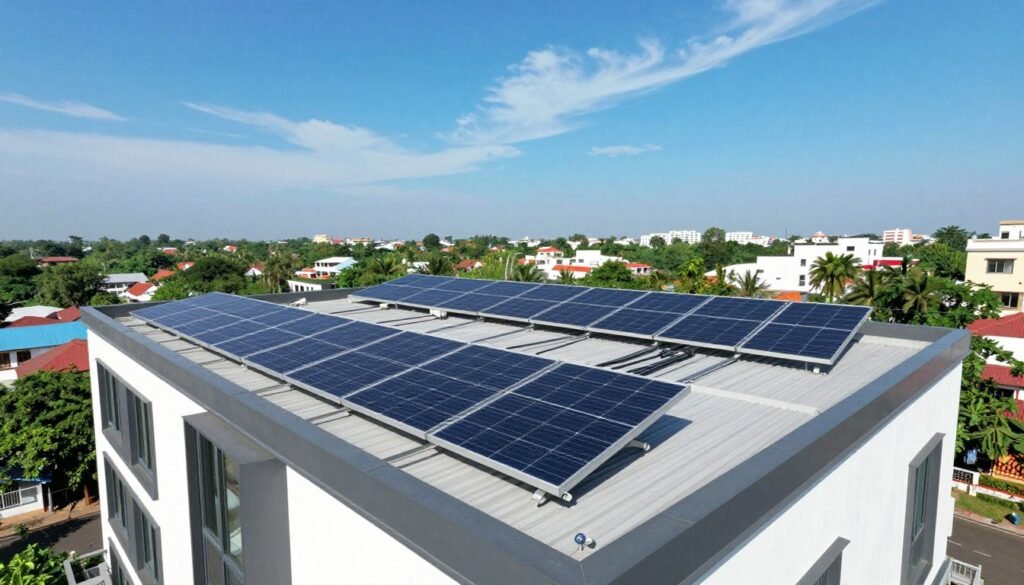
The MSEDCL net metering process includes portal registration, feasibility approval, technical inspection, and final net meter installation. Following the official MSEDCL net metering process properly helps avoid delays in Net meter approval Pune applications.
Load Capacity and Sanctioned Load Limits
First, check your current sanctioned load with MSEDCL. Your solar plant’s size must not go over your electricity connection’s limit. This rule keeps the grid stable and ensures electricity generation is balanced.
If you need more power, you might need to increase your load first. Choosing the right size for your system means you get the most out of your investment and follow the law.
Technical Specifications for Solar Inverters and Panels
Quality equipment is crucial for a good energy system. Pick solar panels with high efficiency for the best performance all year. Your inverter should also work well with the grid to send extra power smoothly.
Using certified gear ensures your system helps meet clean energy goals. Always talk to trusted vendors who offer equipment that meets top standards for quality and performance.
Safety Standards and BIS Certification Requirements
MSEDCL puts safety first when adding renewable energy to the grid. All parts, like modules and inverters, need BIS (Bureau of Indian Standards) certification. This shows they’ve passed tests for electrical safety and can handle the environment.
Choosing BIS-compliant products keeps your home safe from electrical risks. This focus on quality makes sure your clean energy contribution is safe and sustainable for the future.
| Requirement Category | Key Focus Area | Compliance Status |
|---|---|---|
| System Capacity | Sanctioned Load Limit | Mandatory |
| Hardware Quality | BIS Certification | Mandatory |
| Grid Integration | Inverter Compatibility | Required |
| Performance | Panel Efficiency | Recommended |
Step-by-Step Application Process for Net Metering
To get approval for your solar project, you need to follow a set process on the MSEDCL portal. This ensures your rooftop solar setup meets Maharashtra’s standards. It helps keep the grid stable while letting homeowners use clean energy.
Registering on the MSEDCL Solar Portal
First, create an account on the MSEDCL solar website. You’ll need your consumer number and property details to start your Net Metering in Pune application. After registering, you get a unique ID to track your project’s progress.
Submitting the Feasibility Study Application
Next, apply for a feasibility study. MSEDCL engineers will check if your local transformer can handle your solar panels. This step is crucial for the safety and reliability of the grid.
Installation and Testing by Authorized Vendors
After getting approval, you can start the installation. It’s essential to use an authorized vendor for a grid-tied system. They make sure everything is done right before the final test.
Final Inspection and Meter Installation
The last step is a physical check by MSEDCL officials. If everything checks out, they’ll swap your meter for a net meter. This meter tracks the energy you send back to the grid, marking the end of your journey to green energy.
| Process Stage | Responsible Party | Estimated Duration |
|---|---|---|
| Portal Registration | Consumer | 1-2 Days |
| Feasibility Study | MSEDCL | 7-15 Days |
| System Installation | Authorized Vendor | 10-20 Days |
| Final Metering | MSEDCL | 5-10 Days |
Documentation and Regulatory Compliance
Proper documentation is key for a successful grid-tied solar project in Pune. Organizing your paperwork early helps avoid delays. It makes sure your application goes smoothly through the MSEDCL approval process. Attention to detail at this stage is crucial to secure your connection without issues.
Required Documents for MSEDCL Submission
To start your formal request, you need a set of documents. These verify your identity, property ownership, and the solar installation’s technical viability.
- Application Form: The completed MSEDCL solar application signed by the consumer.
- Proof of Ownership: Recent property tax receipts or a copy of the sale deed.
- Technical Documents: Detailed site plans, single-line diagrams, and equipment data sheets.
- Identity Proof: A valid Aadhaar card or PAN card linked to the electricity account.
- NOCs: Any necessary No Objection Certificates from housing societies or local authorities.
Understanding the Net Metering Agreement
The net metering agreement is a contract between you and the utility provider. It explains how your solar system works with the grid and how credits are handled. Reviewing this document carefully is crucial to know your rights and duties as a prosumer.
“By failing to prepare, you are preparing to fail.”
This agreement covers billing cycles, energy credit validity, and grid synchronization safety. Signing it shows your commitment to a safe and efficient system that meets utility standards.
Compliance with Maharashtra Electricity Regulatory Commission Guidelines
Following the Maharashtra Electricity Regulatory Commission (MERC) guidelines is a must for solar adopters. These rules ensure your system is safe and meets state technical standards. Strict compliance safeguards your investment and the power grid’s stability.
Regular audits and keeping up with MERC policy updates prevent penalties or disconnection. Staying informed about these changes makes your solar energy system a reliable and profitable asset for the long term.
Managing Your Grid-Tied System and Billing Cycles
After the final meter installation, you enter a new phase of energy independence and billing management. Operating a grid-tied system requires a basic understanding of how your home interacts with the local power network. By monitoring your output, you ensure that your investment in renewable energy continues to provide value for years to come.
Reading Your Net Metering Electricity Bill
Your monthly statement will now look different than it did before your solar panels were installed. The bill will clearly display your total consumption alongside the units exported to the grid. This transparency allows you to track your utility bill savings effectively.
Look for specific line items that detail the net units. If your electricity generation exceeds your consumption, the bill will reflect a credit balance. These credits are essential for reducing your overall costs during months with lower sunlight.
Handling Excess Energy Credits and Carry-Forward Policies
MSEDCL regulations allow you to carry forward excess energy credits to the next billing cycle. This policy ensures that you do not lose the value of the power you produce during peak sunny months. If you have a surplus at the end of the financial year, the utility provider may settle these credits based on current tariff guidelines.
It is important to review your statement every month to verify that your credits are being applied correctly. Keeping a personal log of your meter readings can help you cross-reference the data provided by the utility company. This diligence helps you maintain control over your utility bill savings throughout the year.
Maintenance Tips for Optimal Solar Performance
To keep your grid-tied system running at peak efficiency, regular care is necessary. Dust, bird droppings, and debris can significantly reduce the amount of electricity generation your panels produce. Follow these simple steps to protect your investment in renewable energy:
- Clean your panels at least once a month using soft water and a non-abrasive cloth to remove surface grime.
- Monitor your inverter display daily to ensure there are no error codes or connectivity issues.
- Schedule professional inspections annually to check for loose wiring or potential hardware degradation.
- Trim nearby trees that may cast shadows on your roof, as even partial shading can impact system performance.
SOLAR SUBSIDY
Homeowners installing Rooftop solar Pune systems may also benefit from Solar subsidy Maharashtra schemes offered under central and state renewable energy programs.
BILLING SECTION
One major advantage of Solar net metering Pune systems is the ability to receive credits for excess electricity exported back to the MSEDCL grid.
Conclusion
Choosing solar energy is a big step towards energy freedom for Pune homeowners. By following MSEDCL’s 2026 rules, you can cut down on utility bills and save money in the long run.
Switching to clean energy needs careful planning and knowing the rules. Start by organizing your documents early. This makes the approval process for your solar system easier and faster.
Your choice of renewable energy helps make India greener. Every solar kilowatt you use means less dependence on old power sources. It also cuts down your carbon footprint. You’re helping India move towards a sustainable future.
Start your journey to a greener home by checking if your site is right for solar. Then, reach out to approved solar vendors. These steps will turn your home into a modern, efficient energy center. Enjoy the benefits of a smarter energy future for your home and the planet.
FAQ
Q: What is Net Metering in Pune and how does the MSEDCL process work?
A: Net Metering in Pune allows homeowners with rooftop solar systems to export excess electricity to the MSEDCL grid. The MSEDCL net metering process includes registration, technical approval, inspection, and final meter installation.
Q: What are the primary financial advantages of adopting a grid-tied system for my home?
A: The biggest plus is saving a lot on your utility bills. Using renewable energy means you use less from the grid. You also get credits for any extra power you make.
These credits help pay for power when it’s dark or cloudy. So, solar energy is a smart choice for saving money in Maharashtra.
Q: Are there specific safety standards for solar components under MSEDCL regulations?
A: Yes, all installations must meet strict safety and quality rules. This protects everyone involved. The Maharashtra Electricity Regulatory Commission and MSEDCL set these standards.
All solar panels and inverters need BIS (Bureau of Indian Standards) certification. This ensures your clean energy is safe and doesn’t harm the public grid.
Q: How is the maximum capacity for a rooftop solar installation determined in Pune?
A: Your solar capacity depends on your sanctioned load from MSEDCL. Usually, you can install up to your sanctioned load. But, a technical study is done first.
This study checks if your local transformer and lines can handle the extra electricity generation from your renewable energy source.
Q: What happens to the excess energy credits at the end of a billing cycle?
A: Under the current net metering in Pune rules, any extra energy credits from one month carry over to the next in the same year. By March, any leftover credits are settled by MSEDCL.
This settlement is based on a rate set by the Maharashtra Electricity Regulatory Commission. It’s an extra way to get rewarded for making clean energy.
Q: What are the essential documents required for a successful MSEDCL net metering application?
A: You’ll need your recent electricity bill, ID, property documents, and your rooftop solar equipment specs. Also, a signed Net Metering Agreement and a feasibility report from an approved vendor are needed.
These are required to connect your grid-tied system to the municipal grid.
Q: Why is a feasibility study necessary before installing solar panels?
A: A feasibility study checks if the local grid can handle your solar energy. It prevents problems with the grid and makes sure your energy is used right.
This study must be done by experts to follow all Maharashtra Electricity Regulatory Commission rules.
 Previous Post
 Next Post