
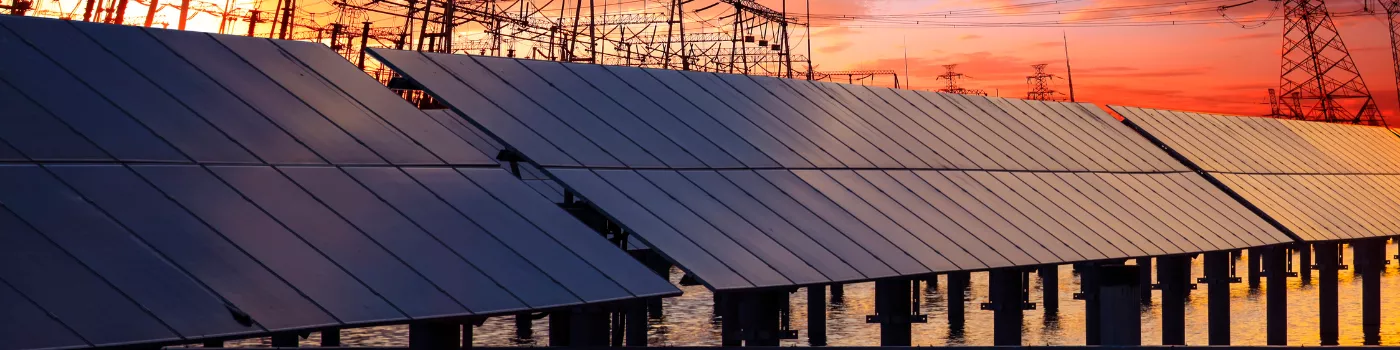
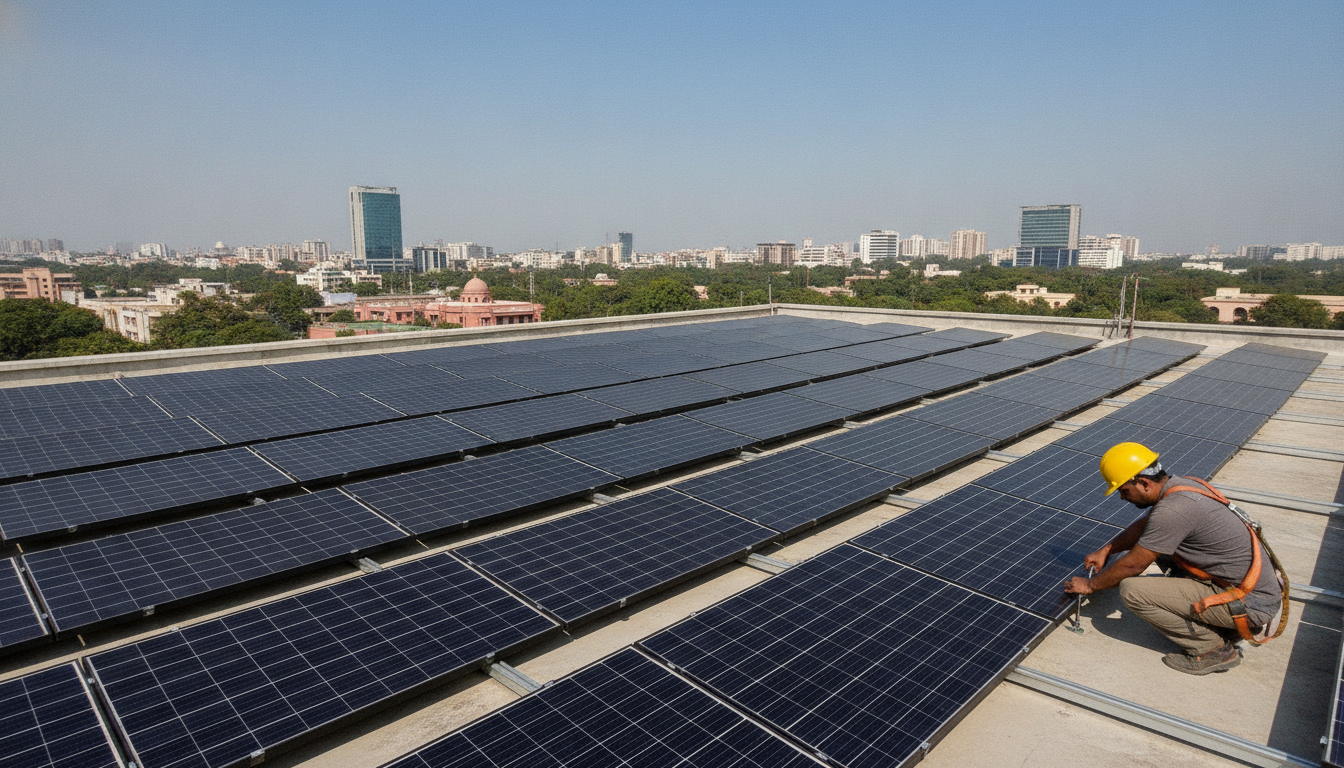
Transitioning to renewable energy in Pune has never been more accessible for residents and business owners. As we look towards 2026, the city offers a perfect climate to harness natural power effectively.
By choosing to install rooftop solar systems, you can significantly lower your monthly electricity bills. This guide simplifies the entire process, ensuring that your journey towards sustainability remains straightforward and rewarding.
We will walk you through the essential steps required to implement these energy solutions on your property. Our goal is to help you reduce your carbon footprint while enjoying the long-term financial benefits of clean, green energy.
Key Takeaways
- Understand the primary benefits of adopting sustainable energy in Pune.
- Learn the essential steps for a successful installation process.
- Discover how to maximise your savings on electricity bills.
- Identify the best practices for maintaining your equipment.
- Explore the positive environmental impact of reducing your carbon footprint.
Understanding the Rooftop Solar Landscape in Pune
The shift towards sustainable energy in Pune is driven by both natural abundance and supportive local frameworks. As more residents look for ways to reduce their electricity bills, the city has emerged as a leader in the adoption of green technology. Making the switch to rooftop solar is now a practical choice for many households.
Why Pune is Ideal for Solar Energy
Pune enjoys a distinct geographical advantage that makes it perfect for harvesting sunlight. With a high number of clear, sunny days throughout the calendar year, the city provides a consistent source of power for photovoltaic systems. This reliability is a key factor for anyone looking to invest in renewable energy.
The climate in this region allows for high energy yields even during the cooler months. By installing panels on your roof, you can effectively capture this abundant resource to power your daily needs. It is a smart way to ensure your home remains energy-efficient regardless of grid fluctuations.
Current Government Policies and Subsidies in Maharashtra
The state government of Maharashtra actively encourages the transition to renewable energy through various financial incentives. These policies are designed to lower the initial cost of installation, making it easier for homeowners to participate. Understanding these frameworks is essential to maximise your long-term savings.
Subsidies and net metering policies allow you to feed excess power back into the grid, which can significantly offset your monthly utility costs. Staying informed about the latest updates from the Maharashtra Energy Development Agency (MEDA) will help you secure the best possible financial support for your rooftop solar project.
| Benefit Category | Description | Impact on Homeowners |
|---|---|---|
| Financial Subsidy | Direct government grants | Reduces upfront capital cost |
| Net Metering | Grid-tied energy credit | Lowers monthly electricity bills |
| Energy Security | Reduced grid reliance | Provides consistent power supply |
| Environmental Impact | Lower carbon footprint | Promotes sustainable energy |
Assessing Your Property for Solar Potential
A successful solar project begins with a detailed look at your roof’s unique characteristics. Before you commit to any rooftop solar hardware, you must ensure your building can support the weight and layout of the system. This initial evaluation helps you avoid costly mistakes and ensures your green technology investment performs at its peak.
Evaluating Roof Space and Structural Integrity
The first step involves measuring the available surface area on your roof. You need enough clear space to accommodate the panels while allowing for necessary maintenance pathways. It is equally important to verify that your roof structure can handle the additional load of the mounting frames and panels.
Consulting with a structural engineer is often a wise choice if your building is older or has a complex roof design. They can confirm if your roof material, such as concrete or metal sheets, is suitable for long-term installation. Ensuring structural integrity provides peace of mind for the next twenty-five years.
Analysing Sunlight Exposure and Shading Factors
Even a large roof will underperform if it remains in the shadows for most of the day. You must observe how sunlight hits your property during different times of the year. Nearby trees, tall buildings, or even chimneys can cast significant shadows that reduce the efficiency of your rooftop solar array.
Careful analysis of these shading factors allows you to optimise the placement of your panels. In Pune, orienting your system towards the south often yields the best results for energy capture. Minimising shade is the most effective way to maximise the output of your green technology setup.
Tools for Measuring Solar Irradiance
Modern technology makes it easier than ever to predict how much power your system will generate. Professionals often use a pyranometer to measure the intensity of solar radiation at your specific location. Another popular tool is the Solar Pathfinder, which helps identify potential shading issues throughout the year.
These tools provide the data-driven insights needed to calculate your expected return on investment. By using precise measurements, you can confidently plan your transition to renewable energy.
| Roof Feature | Ideal Condition | Impact on Efficiency |
|---|---|---|
| Orientation | South-facing | High energy yield |
| Shading | Zero obstruction | Maximum performance |
| Roof Material | Reinforced concrete | High structural safety |
| Tilt Angle | 15 to 30 degrees | Optimal sun capture |
Selecting the Right Photovoltaic Systems
Building a reliable solar array starts with understanding the core technology behind your panels and inverters. Choosing the correct hardware is the most significant decision you will make when designing your photovoltaic systems. By focusing on quality components, you ensure that your investment provides reliable power for decades to come.
Comparing Monocrystalline and Polycrystalline Panels
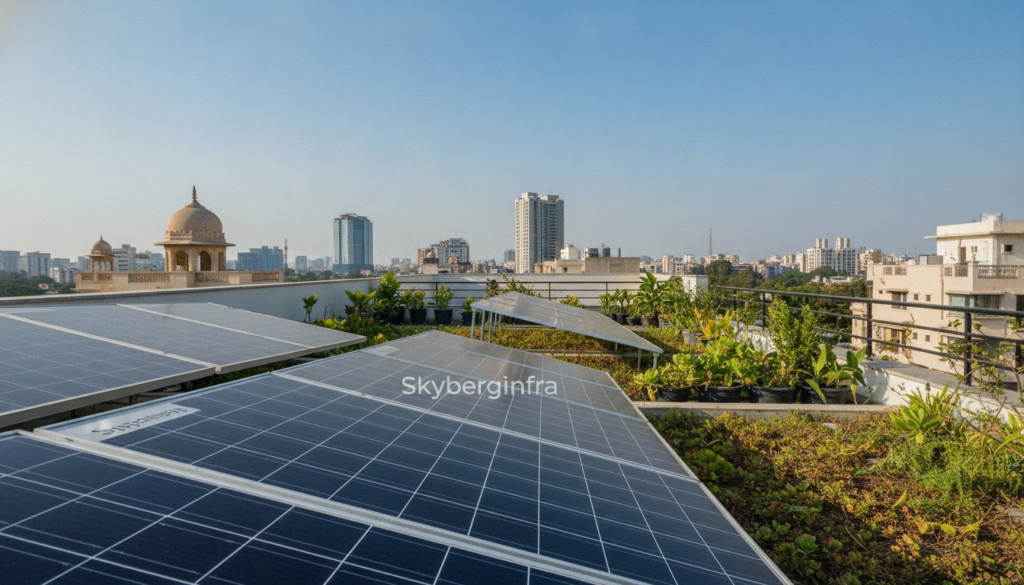
When you begin shopping for solar panels, you will notice two primary types: monocrystalline and polycrystalline. Monocrystalline panels are crafted from a single crystal structure, which allows for higher energy efficiency in smaller spaces. They often feature a sleek, black appearance that blends well with modern rooftops in Pune.
Polycrystalline panels, on the other hand, are made by melting multiple silicon fragments together. While they are generally more affordable, they require slightly more roof space to produce the same amount of electricity. Choosing between them depends on your available area and your total budget.
| Feature | Monocrystalline | Polycrystalline |
|---|---|---|
| Efficiency | High | Moderate |
| Cost | Premium | Budget-friendly |
| Space Required | Low | Higher |
| Durability | Excellent | Good |
Choosing Between On-Grid and Off-Grid Inverters
The inverter acts as the brain of your system, converting direct current into usable electricity for your home. On-grid inverters are designed to sync with the local utility network, allowing you to export excess power. This setup is ideal for homeowners who want to reduce their monthly electricity bills through net metering.
Off-grid inverters function independently of the utility provider. These systems are essential for locations where grid stability is a concern or for those seeking total self-reliance. Selecting the right inverter ensures your photovoltaic systems operate safely and effectively throughout the year.
“The true value of a solar installation lies in the synergy between high-quality panels and a robust inverter system that matches your specific lifestyle needs.”
Battery Storage Solutions for Energy Independence
Adding battery storage is the final step toward achieving true energy independence. Batteries allow you to store excess energy generated during the day for use at night or during power outages. This capability significantly boosts your overall energy efficiency by reducing reliance on the grid during peak hours.
Modern lithium-ion batteries offer long lifespans and compact designs, making them perfect for residential use. By integrating these solar panels with smart storage, you gain control over your power consumption. Investing in quality storage ensures that your home remains powered even when the sun goes down.
Navigating the Installation Process
Transforming your rooftop into a power plant is an exciting endeavour that requires careful planning. To ensure your photovoltaic systems operate at peak efficiency, you must follow a structured approach. Professional guidance is essential to avoid common pitfalls and ensure long-term reliability.
Finding Certified Solar Installers in Pune
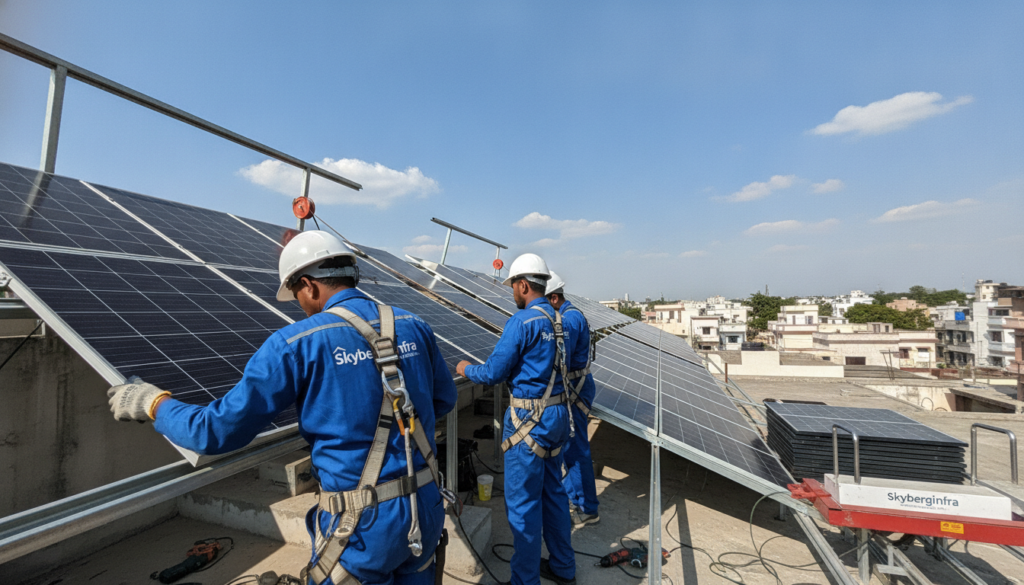
Selecting the right partner is the most critical step in your solar journey. You should look for installers in Pune who possess valid certifications and a proven track record of successful projects. Local expertise is vital, as these professionals understand the specific climate conditions and building regulations of the city.
Always request references and check their previous work before signing a contract. A reputable installer will provide a transparent quote and explain the specific solar panels they intend to use for your property.
“Quality installation is the foundation of a high-performing energy system. Never compromise on professional expertise when investing in renewable infrastructure.”
Obtaining Necessary Permits and Approvals
Before any physical work begins, you must secure the required legal clearances. This process involves submitting your project plans to local authorities to ensure compliance with safety standards. Proper documentation is mandatory for grid-connected photovoltaic systems to qualify for government subsidies.
Your chosen installer should handle the bulk of this paperwork on your behalf. They will coordinate with the local electricity board to ensure your setup meets all grid-compliance requirements. This step ensures that your investment remains legal and eligible for net metering benefits.
The Step-by-Step Installation Workflow
The actual installation follows a logical sequence designed to protect your roof and maximise energy output. Understanding this workflow helps you manage expectations throughout the project duration.
Mounting the Solar Structure
The process begins with the installation of a robust mounting frame. This structure must be securely anchored to your roof to withstand wind loads and environmental stress. Precision is key here, as the angle and orientation of the solar panels directly influence how much sunlight they capture throughout the day.
Wiring and Electrical Integration
Once the panels are mounted, the technical work of wiring begins. Electricians connect the modules to the inverter, which converts direct current into usable electricity for your home. This phase requires strict adherence to safety protocols to prevent electrical faults.
| Phase | Primary Task | Duration |
|---|---|---|
| Site Assessment | Roof inspection and shading analysis | 1-2 Days |
| Permitting | Submission of legal documentation | 2-4 Weeks |
| Installation | Mounting and electrical wiring | 3-5 Days |
| Commissioning | Grid connection and final testing | 1-2 Days |
Following these steps ensures that your solar panels are installed safely and efficiently. By working with certified experts, you guarantee that your photovoltaic systems will provide clean energy for many years to come.
Financial Benefits and Return on Investment
Many residents in Pune are discovering that solar power is more than just a green choice; it is a savvy investment. By generating your own electricity, you effectively shield your household from the rising costs of traditional utility tariffs. This transition to renewable energy not only supports a cleaner environment but also secures your financial future through consistent monthly savings.
Calculating Long-Term Energy Savings
To determine your return on investment, you must compare the initial capital expenditure against the total value of electricity produced over the system’s lifespan. Most residential systems in India pay for themselves within five to seven years. After this break-even point, the electricity generated is essentially free for the remainder of the system’s life.
Consider these factors when calculating your potential gains:
- System Capacity: Larger arrays generate more power, increasing your total savings.
- Local Tariffs: Higher grid electricity rates make your self-generated power more valuable.
- Energy Efficiency: Reducing your overall consumption helps your solar system cover a larger percentage of your needs.
Understanding Net Metering in Pune
Net metering is a vital policy that allows you to export surplus electricity back to the local grid. When your panels produce more energy than your home consumes, the excess is fed into the grid, and you receive credits on your electricity bill. This mechanism ensures that no energy goes to waste and maximises your financial returns.
In Pune, the process is straightforward for registered consumers. Once your bi-directional meter is installed, your utility provider tracks the net difference between the power you consume and the power you export. This energy efficiency incentive makes solar a highly attractive option for urban homeowners.
Maintenance Costs and System Longevity
While solar power systems are known for their durability, setting aside a small budget for occasional maintenance is wise. Most high-quality panels come with warranties lasting up to 25 years, ensuring long-term reliability. Routine tasks, such as cleaning panels and checking electrical connections, are minimal but essential for peak performance.
Investing in renewable energy is a long-term commitment that rewards you with decades of reduced utility bills. By planning for minor upkeep, you protect your asset and ensure that your system continues to perform at its best for years to come.
Best Practices for Maintaining Your Solar Power System
Investing in green technology requires a commitment to regular upkeep and monitoring. By taking a proactive approach, you ensure that your equipment functions at its highest potential throughout the year. Consistent care is the most effective way to protect your investment and maximise your energy savings.
Routine Cleaning and Debris Removal
In a city like Pune, dust and environmental grime can accumulate on the surface of your solar panels. This layer of dirt acts as a barrier, preventing sunlight from reaching the photovoltaic cells effectively. You should aim to clean your panels every few months to maintain optimal energy absorption.
Use a soft cloth or a gentle brush with water to remove any debris, such as fallen leaves or bird droppings. Avoid using harsh chemicals or abrasive materials that could scratch the glass surface. Keeping the panels clear is a simple yet vital task for any homeowner.
Monitoring System Performance via Mobile Applications
Modern solar power systems often come with integrated smart technology. You can track your energy generation in real-time using dedicated mobile applications provided by your installer. These tools offer valuable insights into how much electricity your system produces on a daily or monthly basis.
If you notice a sudden drop in output, the app will often alert you to potential issues. This digital oversight allows you to identify problems before they become costly repairs. Staying connected to your system data is a hallmark of efficient green technology management.
When to Schedule Professional Inspections
While basic cleaning is something you can manage, some tasks require the expertise of a certified technician. You should schedule a professional inspection at least once a year to ensure all electrical connections remain secure. Experts can also check for micro-cracks or wiring degradation that might not be visible to the naked eye.
If your mobile app shows persistent performance dips or if you notice physical damage after a storm, contact your installer immediately. Professional maintenance keeps your solar power system safe and reliable for decades. Refer to the table below for a quick guide on your maintenance responsibilities.
| Task | Frequency | Responsibility |
|---|---|---|
| Surface Cleaning | Every 3-6 Months | Homeowner |
| Performance Monitoring | Weekly/Monthly | Homeowner |
| Electrical Inspection | Annually | Professional |
| System Health Audit | Every 2 Years | Professional |
Conclusion
Switching to solar power in Pune represents a smart move for your household budget and the environment. This transition creates a reliable path toward sustainable energy for your home and the wider community.
You now possess the knowledge to assess your roof, select the right equipment, and manage the installation process with confidence. Every kilowatt generated helps reduce reliance on traditional power grids while lowering your monthly electricity bills.
Adopting this technology supports a cleaner future for Maharashtra. By investing in high-quality panels and monitoring your system, you ensure long-term performance and efficiency.
Start your journey toward energy independence today. Join the growing number of Pune residents who prioritise sustainable energy to build a brighter, greener tomorrow for everyone.