
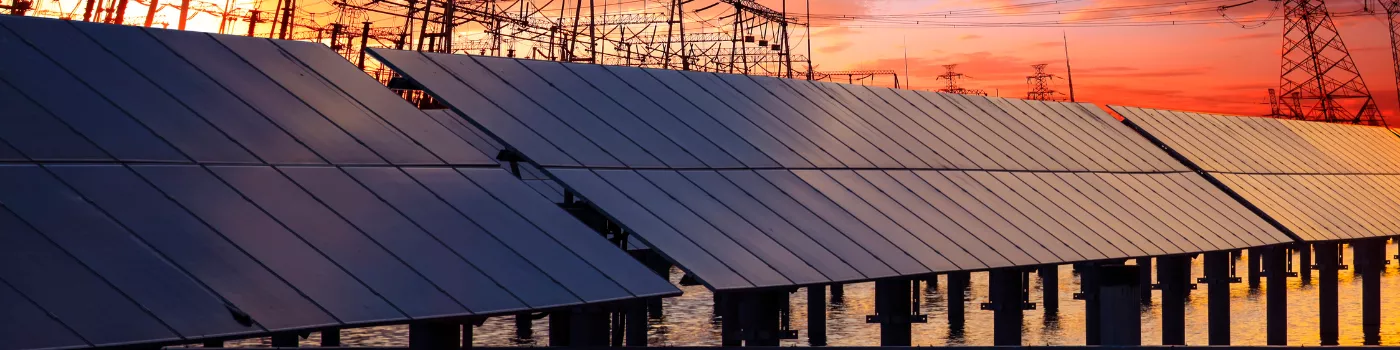
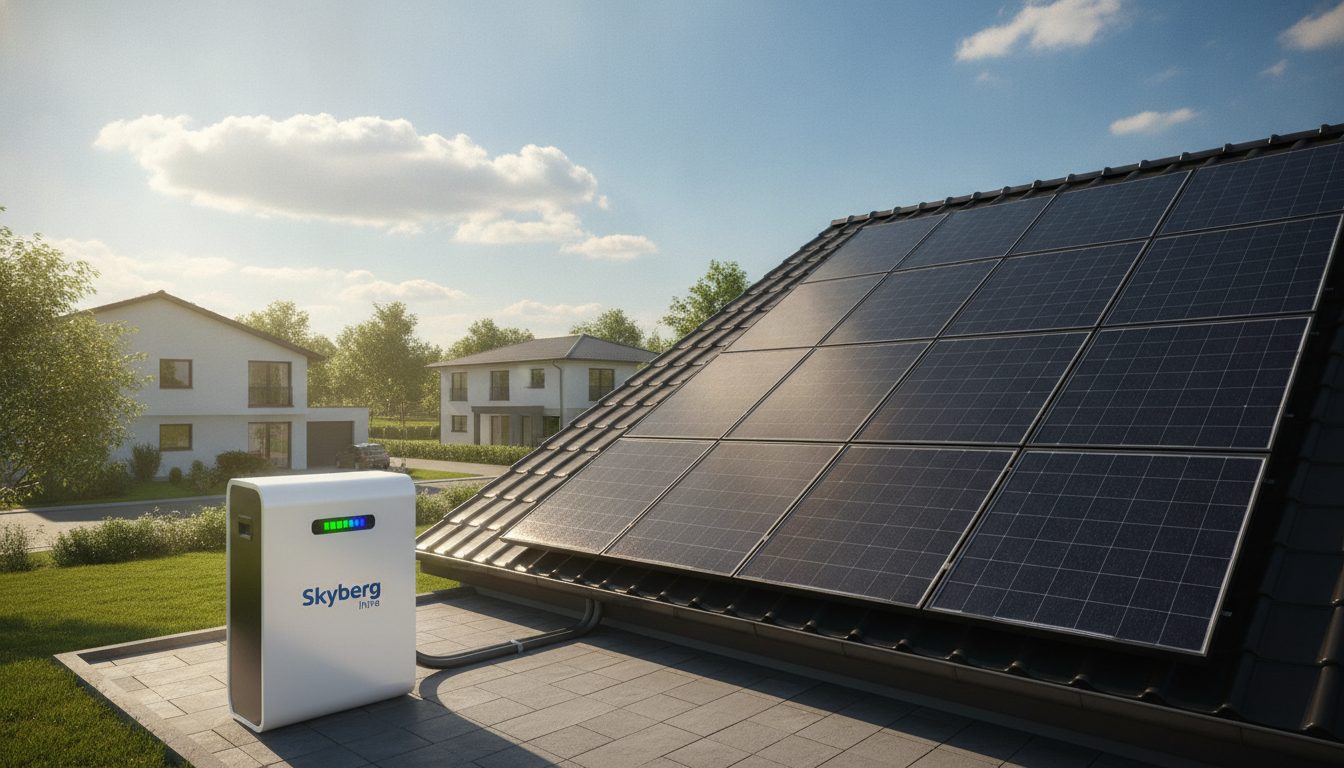
In India, more and more homeowners are choosing renewable energy to fight high utility costs and unstable grids. Making electricity from the sun is a good start. But, to be truly independent, you need a way to save that energy for later. That’s where solar battery storage comes in for your home.
These units store extra electricity made during the day. So, you have power even when the sun isn’t out. They act as a crucial backup, keeping your lights and appliances on during power cuts. Getting a solar battery storage system turns your setup into a strong, self-sufficient power center.
To plan your energy future, you need to know how to balance making and using energy. Being efficient and smart can save you money and keep your home safe from grid problems. This guide will show you how to manage your home’s energy well.
Key Takeaways
- Capture surplus energy to use during the night or grid failures.
- Increase your household resilience against frequent power outages in India.
- Reduce monthly utility bills by relying on your own stored power.
- Plan your energy infrastructure to match your specific home consumption needs.
- Transition from simple energy generation to complete power independence.
Why Solar Battery Storage Matters for Indian Homes
Switching to a green home in India is more than just solar panels. It also means having a reliable way to store energy. Solar panels work well during the day but leave homes without power at night. Solar battery storage keeps the energy you make during the day ready for when you need it most.
Why Solar Panels Alone Cannot Provide Round-the-Clock Power
Solar panels only work when the sun is out. At night, your home uses power from the grid again. This means your panels are idle when your family is home and using appliances.
Without solar energy storage, you can’t save the extra power made during the day. This wasted energy is a big problem for those who want to get the most from their solar panels. Relying only on panels leaves a gap in your energy supply that a battery can fill.
How Indian Electricity Tariffs and Power Cuts Affect Solar Savings
Electricity costs in India go up as you use more. Storing extra energy helps you avoid high costs during peak hours. This way, you save money on your bills and stay safe from price increases.
Power cuts are also common in India. A system tied to the grid stops working during outages. But with a battery, your home can keep running, even when the grid is down.
Key Benefits of Adding Battery Storage to Rooftop Solar
Adding storage makes your solar system much more powerful. It gives you peace of mind and more control over your energy use.
Using More Solar Energy After Sunset
Batteries let you use solar power at night. You can power your TV, kitchen, and lights with free energy from the day.
Reducing Dependence on the Grid
Using more of your own solar energy means you need less from the grid. This helps you stay safe from grid problems and price changes.
Maintaining Essential Loads During Power Outages
During a blackout, your battery keeps important devices running. This includes routers, fridges, and medical equipment, without any breaks.
| Feature | Grid-Tied System | Hybrid System (with Battery) |
|---|---|---|
| Daytime Power | Yes | Yes |
| Nighttime Power | No | Yes |
| Outage Protection | No | Yes |
| Cost Savings | Moderate | High |
Solar Battery Storage: How the System Works
The heart of a good solar energy storage system is how well its parts work together. Panels, inverters, and batteries capture sunlight and turn it into electricity for your home.
How Solar Panels, an Inverter, and a Battery Work Together
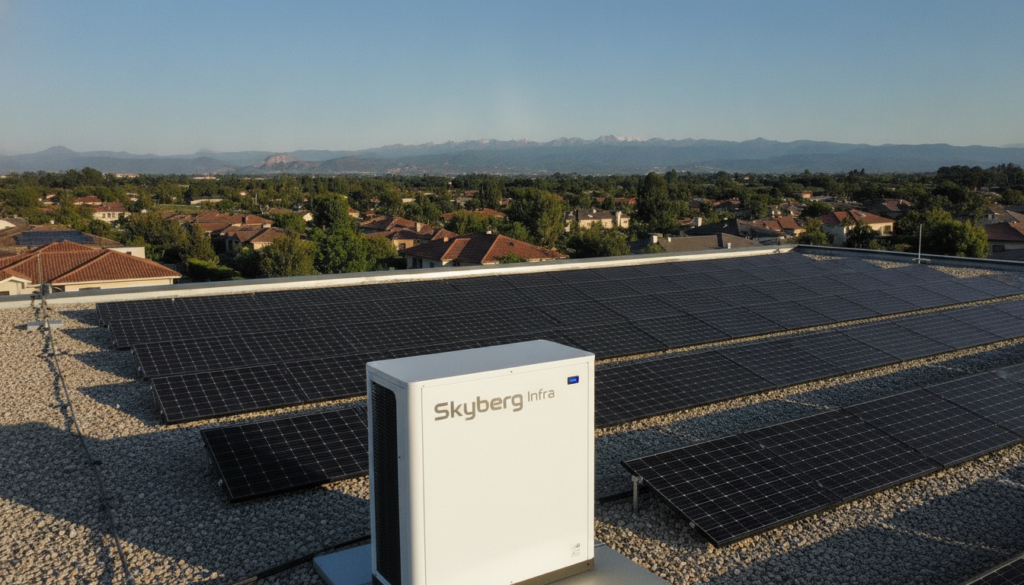
Solar panels make DC electricity when sunlight hits them. This energy goes to an inverter, which changes it to AC for your appliances. If there’s a battery, the inverter sends extra power to charge it instead of sending it to the grid.
What Happens During Solar Production, Evening Use, and Grid Failure
When it’s sunny, your panels make more energy than you use. The solar battery storage unit saves this extra energy. At night, your home uses the stored power.
If the grid goes down, a smart inverter keeps your home running. It creates a microgrid using your battery. This switch happens fast, so your lights and appliances keep working.
How Lithium-Ion and Lithium Iron Phosphate Batteries Store Energy
Most homes use Lithium-Ion or Lithium Iron Phosphate (LFP) batteries. LFP batteries are popular in India for their thermal stability and longer cycle life. They store energy through chemical reactions that allow for quick charging and discharging.
Battery Capacity, Usable Capacity, and Depth of Discharge
The total energy a battery can hold is its nameplate capacity. But you can’t use all of it. The usable capacity depends on the Depth of Discharge (DoD). A higher DoD means you can use more of your stored energy without harming the battery cells.
Round-Trip Efficiency and Energy Losses
Storing and using energy always results in some loss as heat. This is called round-trip efficiency. A good solar energy storage system has efficiency rates between 85% and 95%. Keeping these losses low is key to getting the most from your solar investment.
AC-Coupled and DC-Coupled Solar Energy Storage Systems
How you connect your battery to your solar array depends on the system type. DC-coupled systems connect the battery directly to the solar inverter, improving efficiency. AC-coupled systems connect to your home’s AC wiring, making them great for adding to existing solar setups.
| Feature | DC-Coupled | AC-Coupled |
|---|---|---|
| Efficiency | Higher | Moderate |
| Best Use Case | New Installations | Retrofits |
| Complexity | Integrated | Modular |
| Energy Flow | Direct DC | AC to DC Conversion |
Choosing the Right Solar Energy Storage System
Choosing the right solar energy storage system is all about balancing your daily needs and budget. A good setup keeps your home powered during outages. It also helps you use energy more efficiently.
How to Size Battery Capacity for Household Electricity Needs
Capacity is measured in kilowatt-hours (kWh). It shows how much energy a battery can store. To figure out your needs, add up the energy your appliances use during a power cut.
Proper sizing prevents underutilization or power shortages. For just lights and fans, a smaller capacity works. But, if you need to power heavy appliances like water pumps, you’ll need a lot more storage.
Matching Battery Power Output to Essential and High-Load Appliances
Capacity tells you how long you can run devices. But, the inverter power output (measured in kW) decides which appliances you can use at once. Make sure your system can handle the surge of appliances like refrigerators or water pumps.
If your inverter output is too low, turning on high-load appliances can cause a system failure. Always check the starting wattage of your motors to avoid this.
Comparing Backup Priorities for Fans, Refrigerators, Lights, Routers, and Pumps
Knowing what to prioritize helps design a cost-effective system. Use the table below to sort your appliances by power needs.
| Appliance | Priority Level | Power Demand |
|---|---|---|
| Lights & Routers | High | Low |
| Fans | Medium | Moderate |
| Refrigerator | Medium | High (Surge) |
| Water Pump | Low | Very High |
Evaluating Battery Lifespan, Warranty, Cycle Life, and Safety Features
The battery’s chemistry and build quality affect its lifespan. Lithium Iron Phosphate (LiFePO4) is the best for homes because of its long cycle life and stability.
Always prioritize systems with comprehensive warranties. A longer cycle life means the battery will last longer, giving you more value for your money.
Why Thermal Management and Battery Monitoring Matter
Good thermal management keeps the battery cool, which is crucial in India’s hot climate. Monitoring systems let you check performance on your phone. This way, you can spot issues before they cause a shutdown.
When Expandable Battery Capacity Is Worth Considering
Modular systems let you add more storage as needed. This is great if you’re unsure about your future energy needs or want to spread out costs.
Solar Battery Storage Considerations for Apartments and Independent Houses
Apartment dwellers often need compact, wall-mounted lithium units due to space constraints. These systems are quiet and need little maintenance compared to traditional setups.
Independent houses can have larger, floor-mounted installations. Make sure the installation area is well-ventilated and protected from sunlight to keep your system healthy.
Solar Battery Installation, Costs, and Long-Term Value in India
Understanding the costs and technical details of solar battery installation is key for homeowners. A well-planned setup keeps your home powered during outages. It also helps save energy every day.
What a Professional Solar Battery Installation Includes
Site Assessment, Load Analysis, and System Design
Installers start with a site survey to check your roof and electrical panel. They analyze which appliances need backup power during outages. This helps design a solar energy storage system that fits your home’s needs.
Electrical Protection, Ventilation, Mounting, and Wiring
Safety is crucial when adding a battery to your home. Technicians install safety features like circuit breakers and surge arrestors. They also ensure proper ventilation, mounting, and wiring for reliable operation.
Grid Interconnection, Permissions, and Local Utility Requirements
In India, connecting to the grid needs local rules. Your installer will handle the paperwork for solar battery storage compliance. This is important for getting credits for extra energy sent to the grid.
Factors That Determine Solar Battery Storage Costs
Battery Size, Inverter Compatibility, Installation Labor, and Backup Equipment
The cost of a solar energy storage system varies. Larger batteries cost more upfront but offer longer backup times. Make sure your inverter matches the battery technology to avoid extra costs.
Maintenance, Replacement, and Performance Monitoring Expenses
Modern systems need little upkeep, but budget for occasional checks. Lithium-based systems last long, but plan for future replacements. Smart apps help monitor system health and catch issues early.
How to Estimate Savings, Payback, and Return on Investment
Calculating ROI means comparing current bills to savings from solar power. Cutting grid use during peak hours shortens payback time. Here’s a table of key financial points:
| Cost Factor | Impact on ROI | Long-Term Benefit |
|---|---|---|
| Initial Hardware | High Upfront Cost | Energy Independence |
| Maintenance | Low Annual Expense | System Longevity |
| Grid Savings | Reduces Monthly Bills | Faster Payback |
Safety Practices and Questions to Ask a Solar Installer
Checking Certifications, Warranty Terms, and After-Sales Support
Ensure your installer is certified and follows standards. Ask about warranty terms, like cycle life and performance. Good after-sales support is key for your system’s 10 to 15-year life.
Protecting the System From Heat, Moisture, Overloading, and Improper Use
Keep your investment safe by controlling the environment. Install the battery in a cool, dry spot away from sunlight and moisture. Avoid overloading to prevent early failure.
Conclusion
Investing in solar battery storage makes your rooftop system complete. It lets you use clean power even after dark. This is great for keeping important appliances running during power cuts in India.
Planning well is key to a good setup. Choose a battery size that fits your home’s needs. Pick essential items like fridges, fans, and lights to get the most value.
Brands like Luminous, Tata Power Solar, and Exide have good options. They meet different energy needs.
Using top-notch parts and getting expert help is crucial. A pro can guide you through technical details and local rules. Contact certified installers to check your roof and wiring. This move ensures a green and reliable energy future for your family.
About Solar Battery Storage
Solar Battery Storage allows homes and businesses to store excess electricity generated by solar panels and use it when sunlight is unavailable. A reliable Solar Energy Storage System can provide backup power at night, during power cuts, and when solar production is low.
SkyBerg Infra offers practical Solar Battery Installation solutions based on energy consumption, backup requirements, battery capacity, and system configuration. Our solutions can help improve solar energy utilization, reduce dependence on the grid, and provide greater energy independence.
Choosing the right Solar Battery Storage System requires proper load assessment, battery sizing, inverter compatibility, installation, and safety planning. We help customers in Pune, Wakad, and Pimpri Chinchwad (PCMC) choose suitable energy storage solutions for their residential and commercial requirements.
FAQ
Q: What is the primary function of a solar battery storage system for a residential home?
Q: How does a solar battery installation improve resilience against power cuts in India?
Q: What is the difference between total battery capacity and usable capacity?
Q: Are Lithium Iron Phosphate (LiFePO4) batteries better for solar energy storage?
Q: Can I add a solar battery storage system to my existing solar panels?
Q: How do I determine which appliances to back up with my solar energy storage?
Q: What factors influence the cost and ROI of solar battery storage in India?
Q: What maintenance is required for a solar battery storage system?
 Previous Post